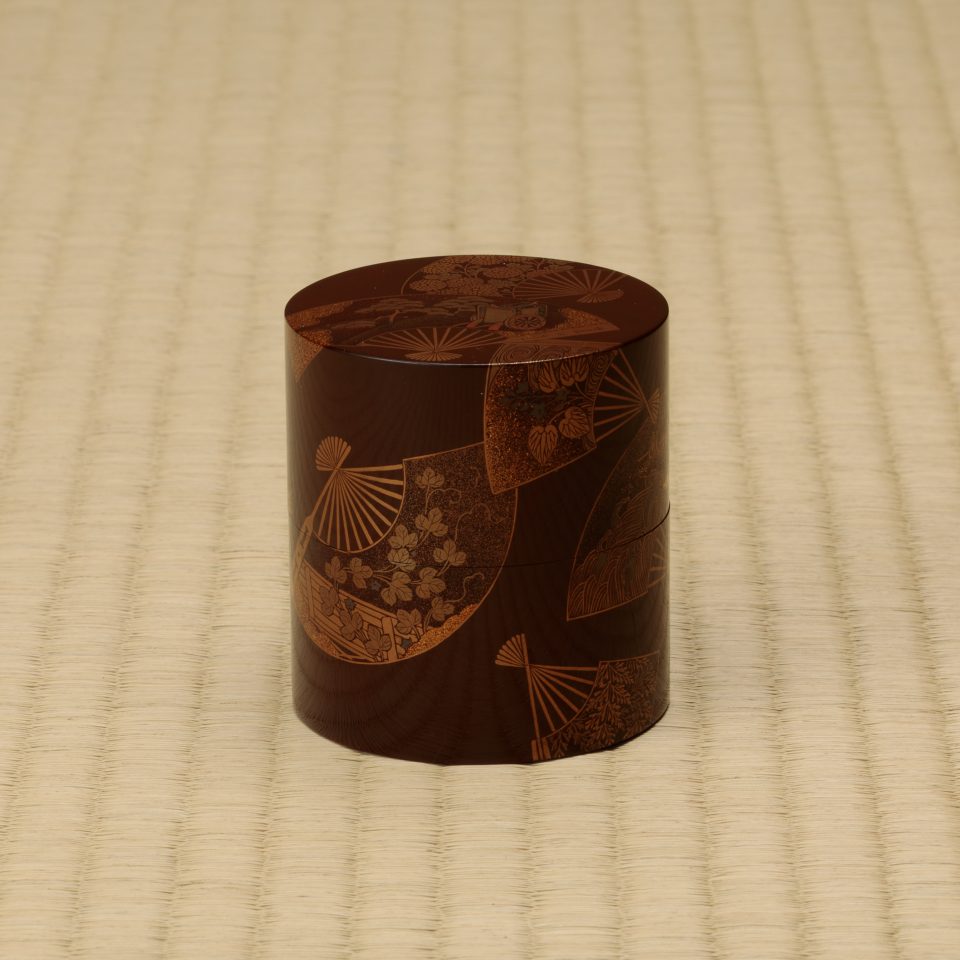
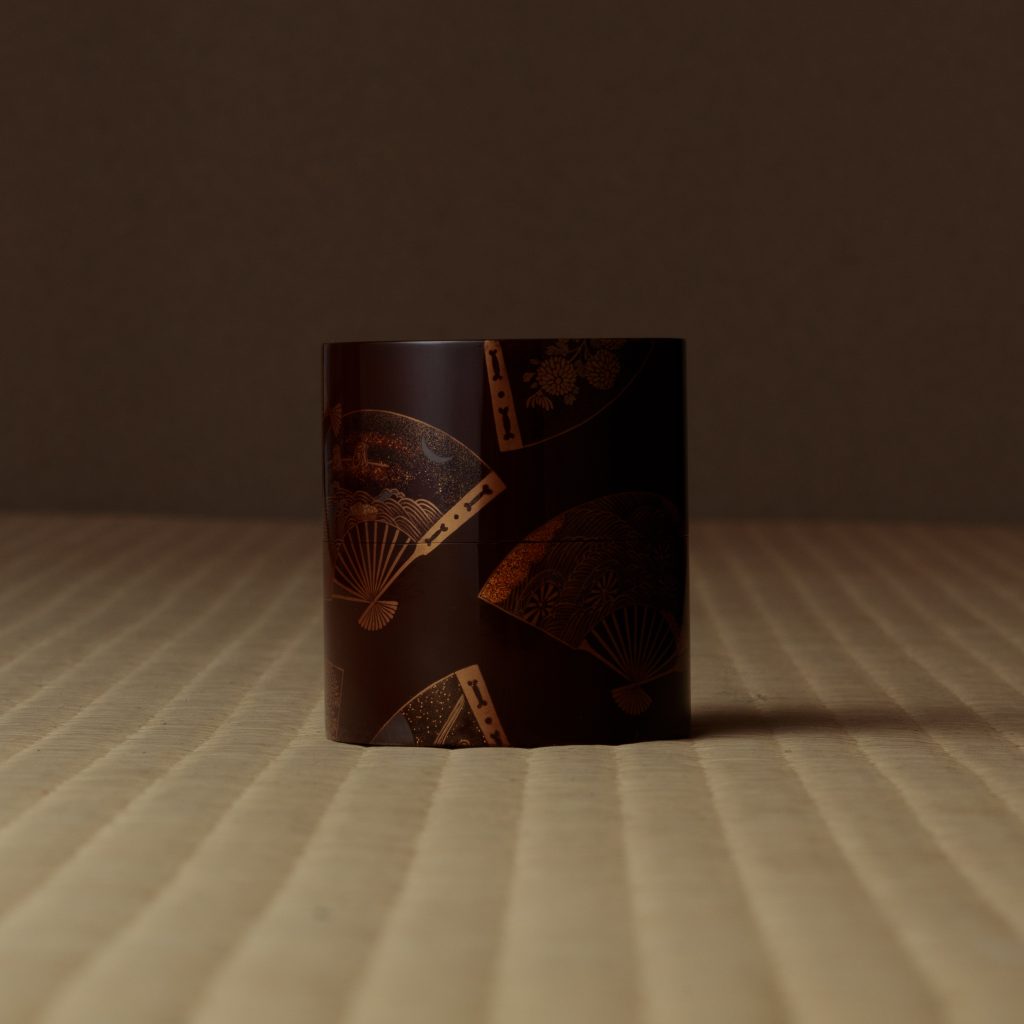
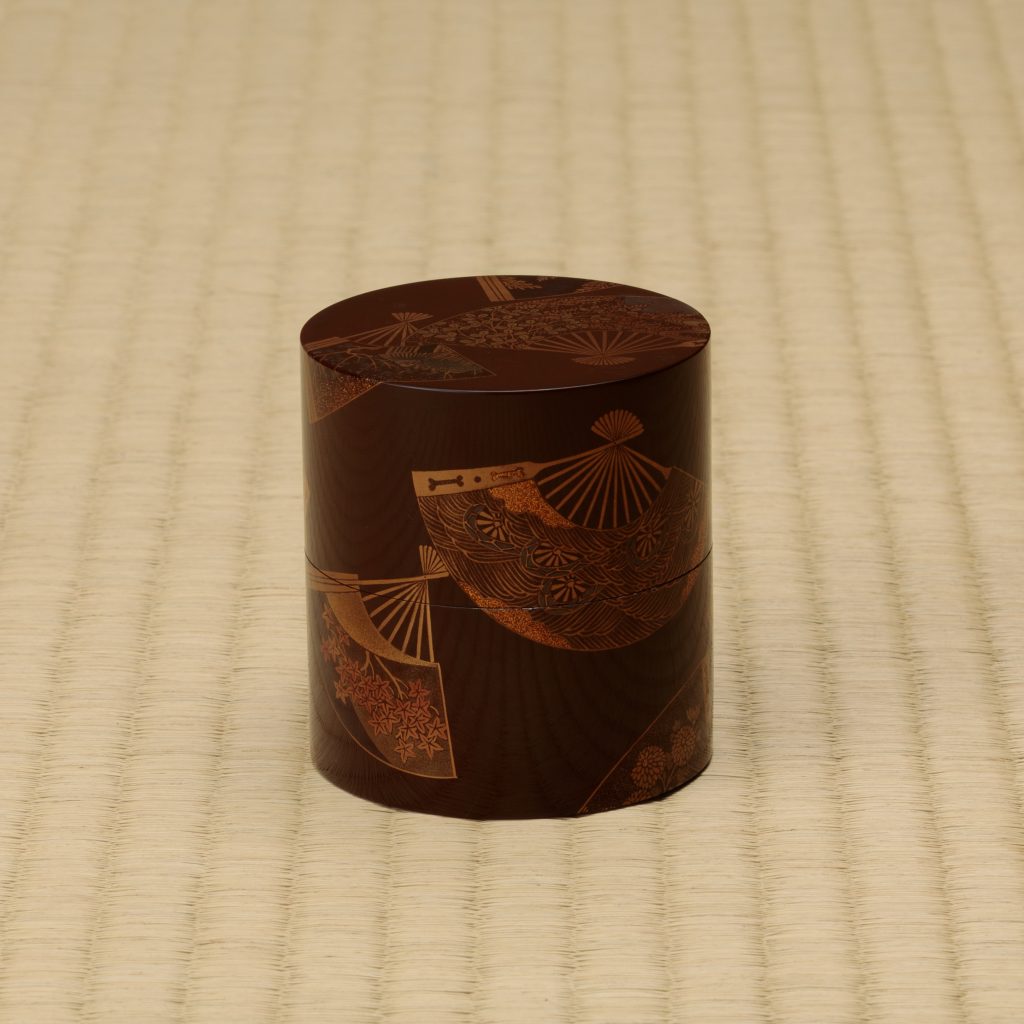
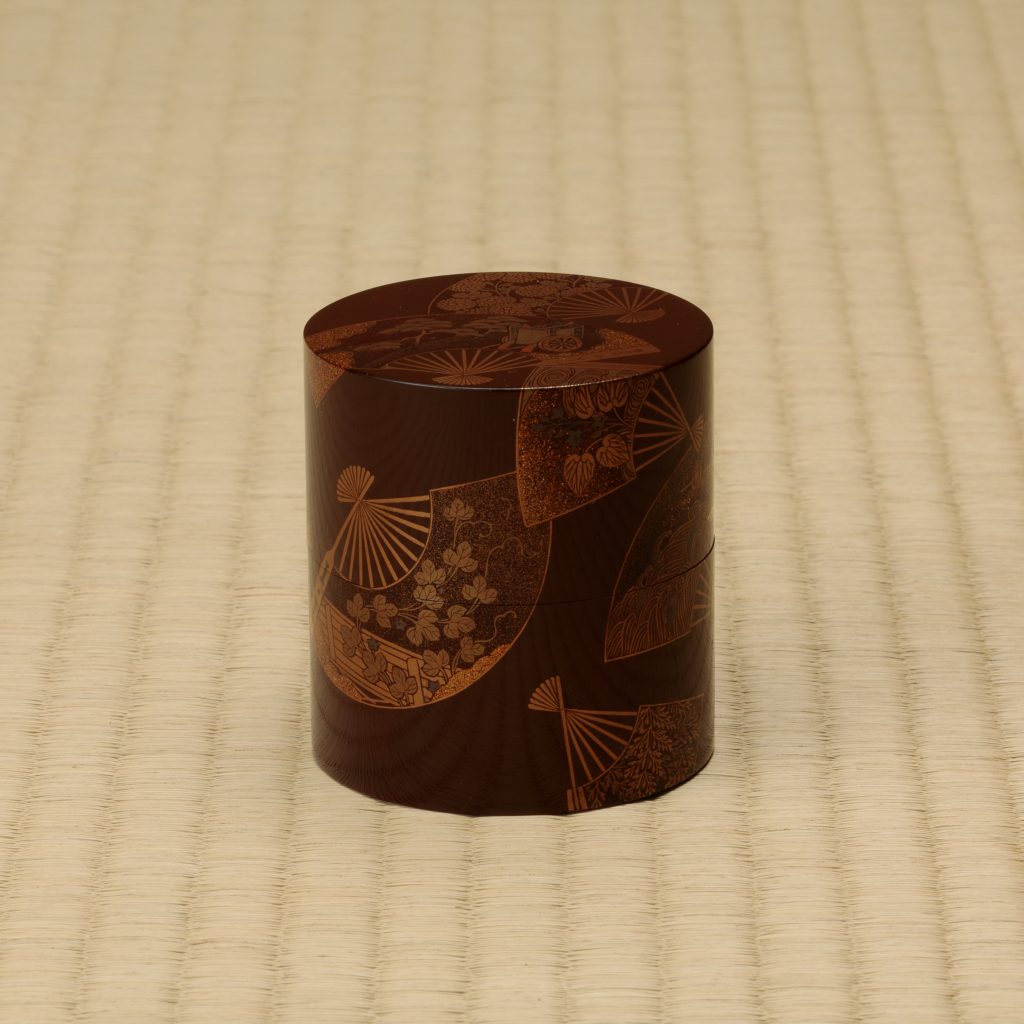
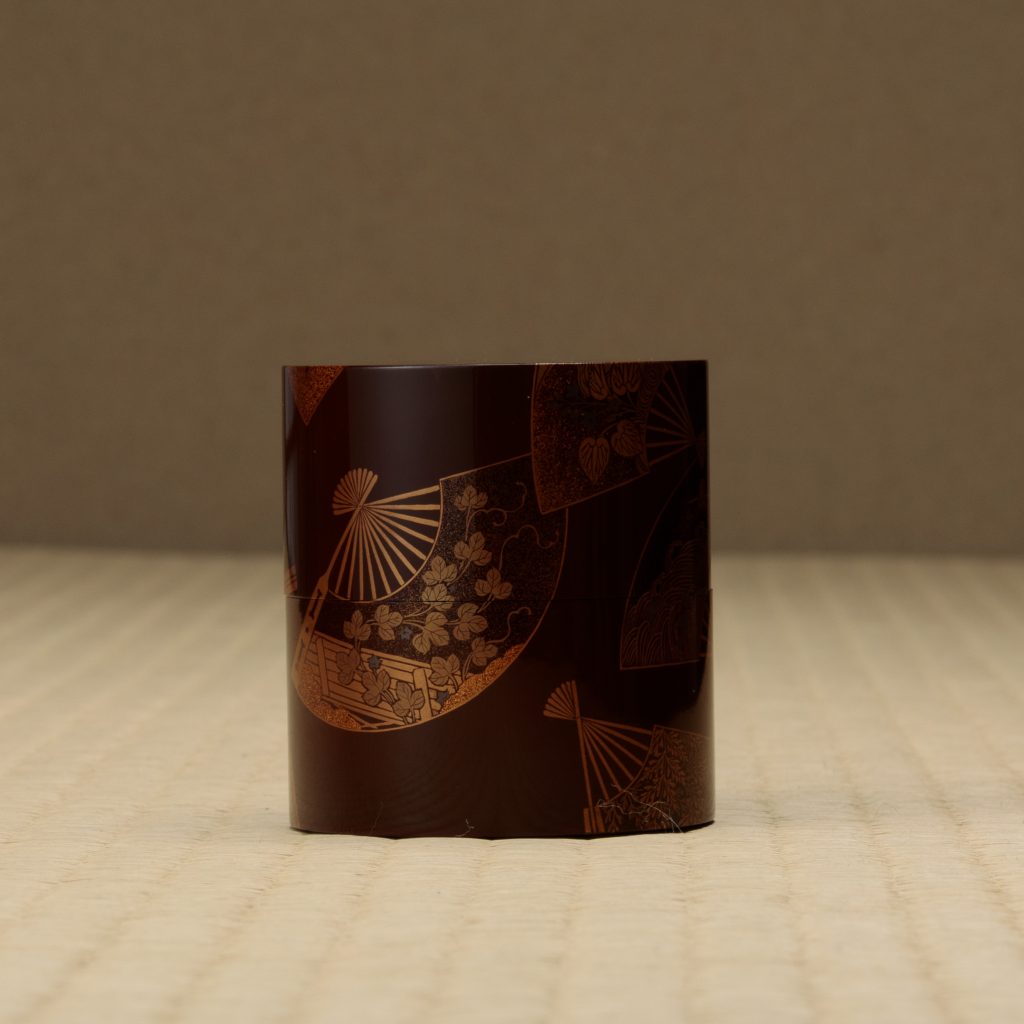
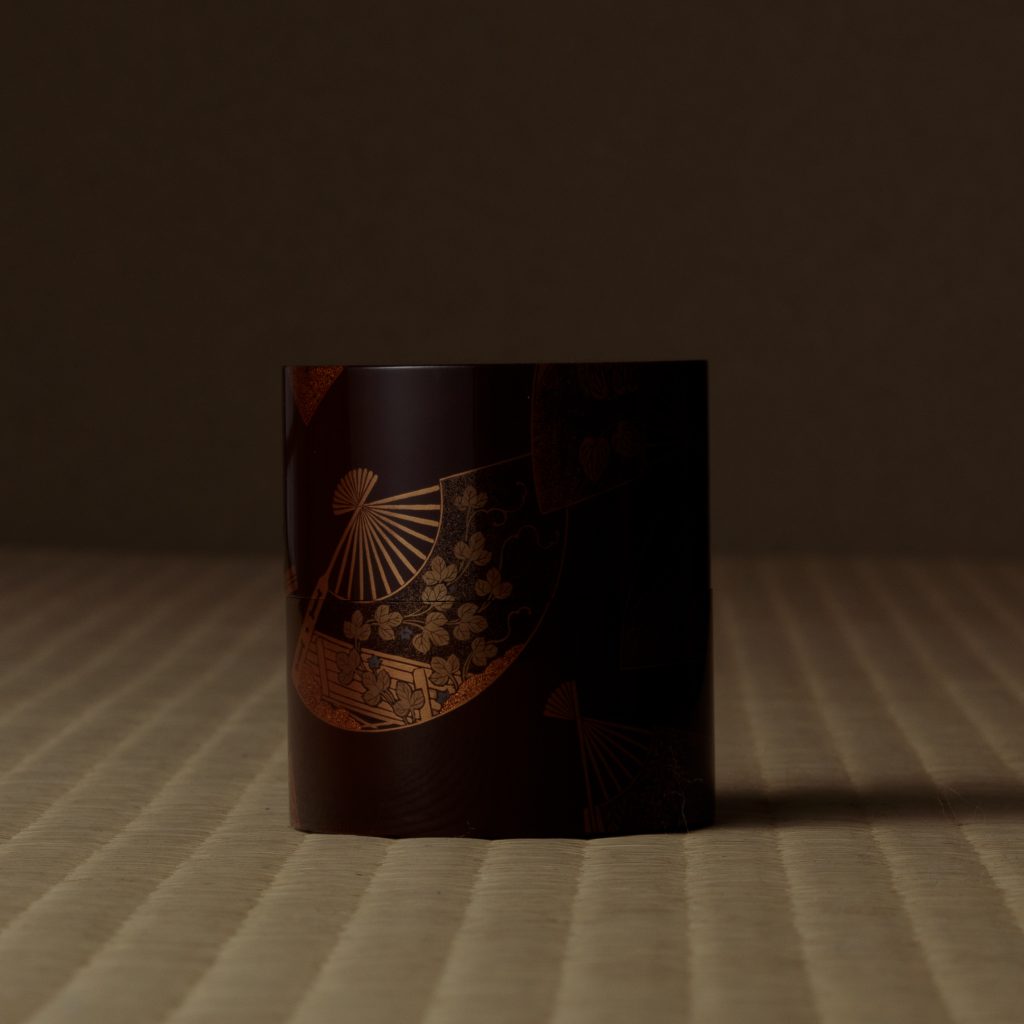
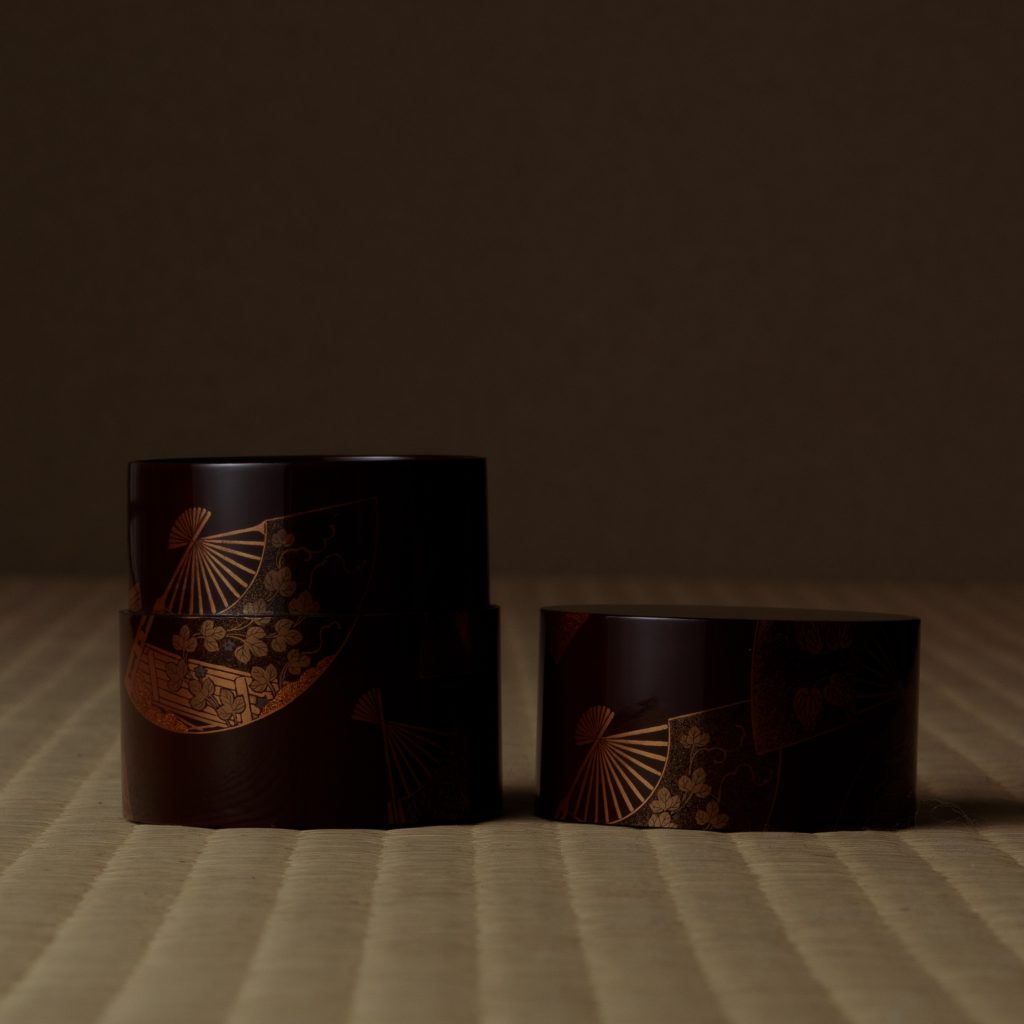
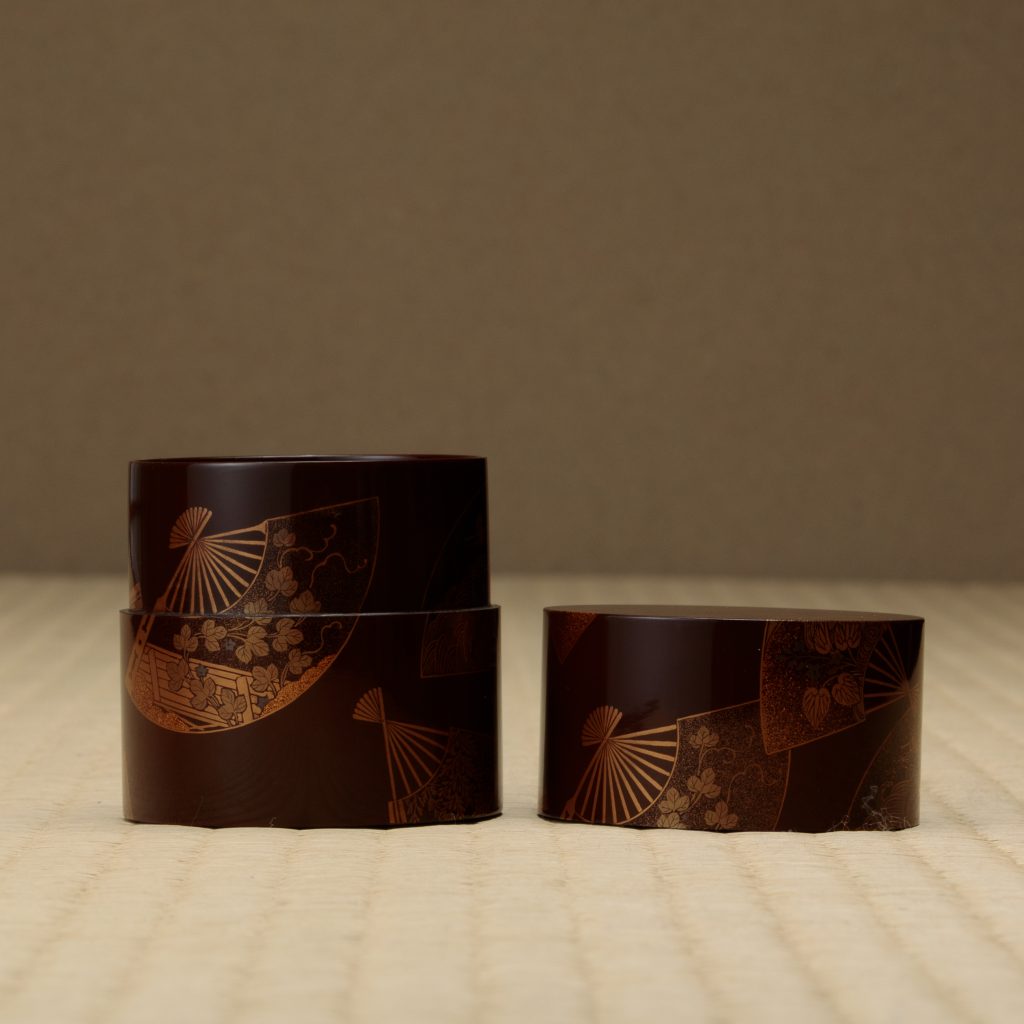
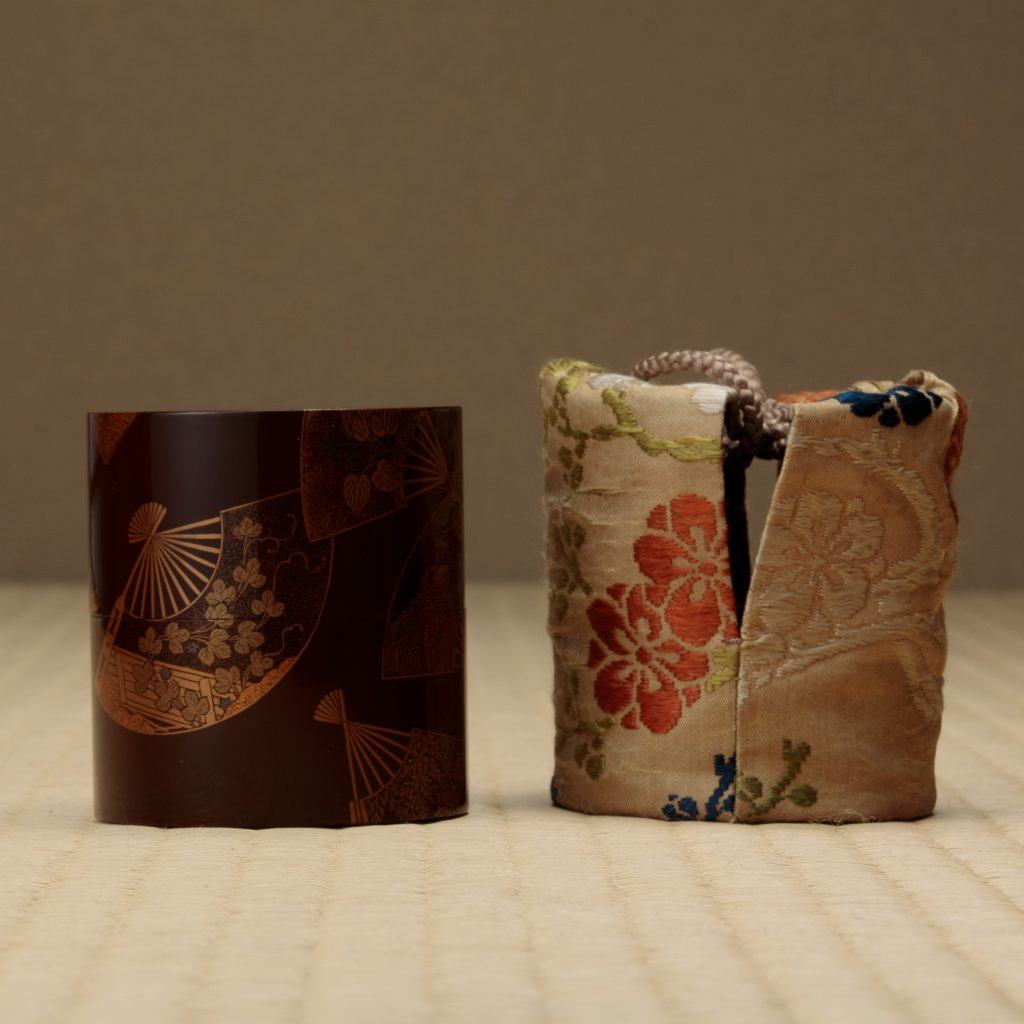
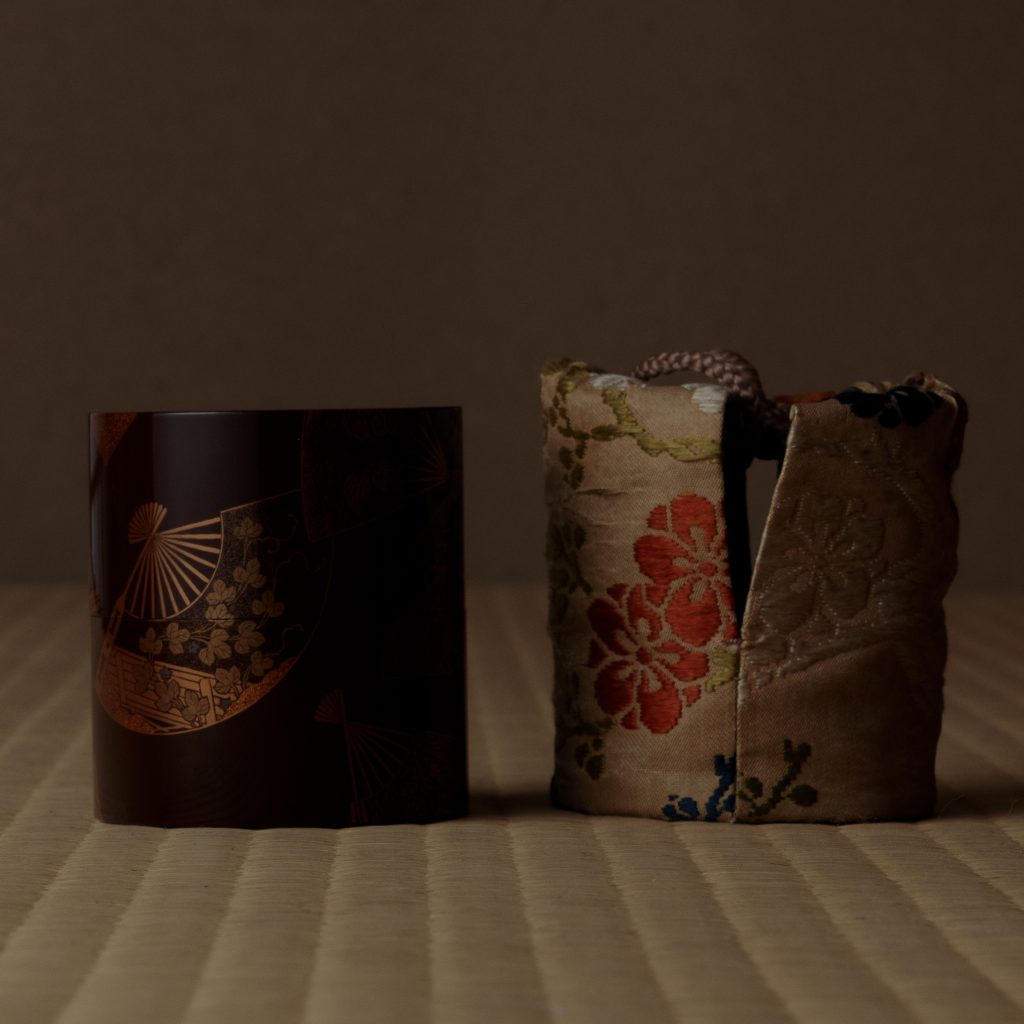
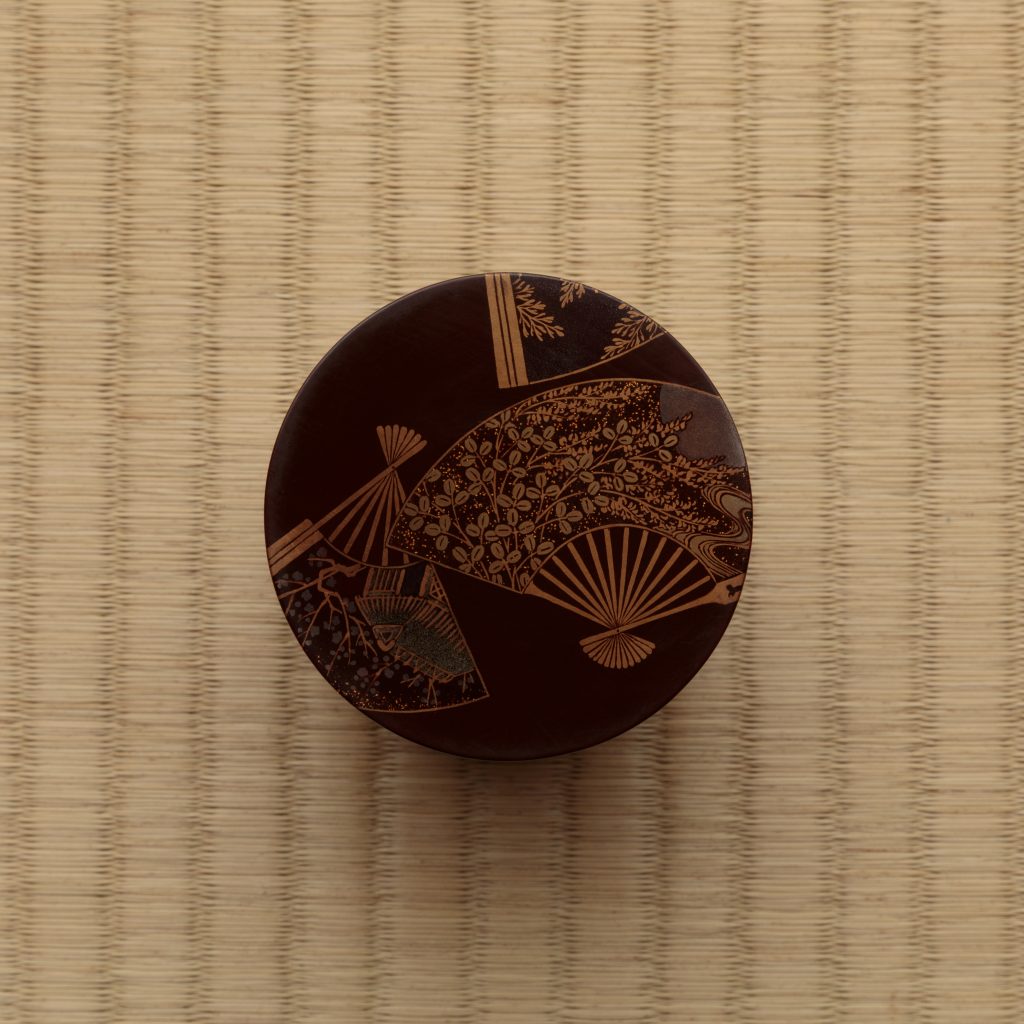
Senmen (fan) makie Nakatsugi made by Shunsho Yamamoto.
Yamamoto Shunshō I (January 25, 1610 – October 8, 1682) was a maki-e lacquer artist, underground poet, and scholar of Japanese classical literature in the early Edo period. He was known by several names, including Jirōsaburō, Jirōbei, and Jisaburō, and later adopted the artistic pseudonym Funaki. He is recognized as the founder of the Yamamoto family lineage of maki-e artisans.
Born in Kyoto, he was the son of Yamamoto Toshimasa and was said to be a descendant of Yamamoto Yoshisada, a grandson of Minamoto no Yoshimitsu. Shunshō studied waka poetry under Matsunaga Teitoku, Kinoshita Katsutoshi, and Asukai Masakazu, and was also well-versed in Chinese classics, maintaining a close friendship with the Confucian scholar Itō Jinsai. Skilled in lacquerware, he excelled in the art of maki-e, and his signature Shunshō-nuri style was highly esteemed.
In his later years, he took Buddhist vows, was granted the honorary title of Hokkyo, and adopted the name Funaki. He passed away at the age of 73 and was laid to rest at Sairinji Temple. His eldest son, Yamamoto Kagemasa, carried on his legacy.
The kokugaku scholar Urushiyama Tendō praised Shunshō as “the only artist of multifaceted genius since Hon’ami Kōetsu,” and within his own era, he was esteemed as an equal to Hinaya Tatehito.